Our Services

Spine Surgery

Back pain and neck pain are common health problems. Majority of the spinal problems get better with non-surgical treatment by medicines and physiotherapy.

Pain not subsiding after taking these treatments for few weeks indicates that there is a significant problem in spine, which needs to be further evaluated and investigated. We understand that each patient’s condition is unique. That’s why we offer a comprehensive range of spine surgery treatments to address various spinal disorders.

From herniated discs and spinal stenosis to degenerative disc disease and scoliosis, our expert spine surgeons can provide personalized treatment plans tailored to your specific needs.

Technology

Cutting-Edge Technology and Advanced Techniques

To ensure the highest level of care, equipped with state-of-the-art technology and advanced surgical techniques. Our modern operation theatres and advanced imaging capabilities enable our spine surgery doctors in Mumbai to perform intricate procedures with precision and accuracy.

Approach

Collaborative Approach to Care

We believe in a multidisciplinary approach to spine surgery treatment. Our spine surgery specialists in Hospital work closely with neurologists, anaesthesiologists, and physiotherapists to provide comprehensive care throughout the treatment journey. This collaborative effort ensures that patients receive the most effective and holistic care possible.

Spine Surgery is an extremely important sub-specialty of Orthopaedic Surgery which deals exclusively with the surgical as well as non-surgical management of various disorders of the spine.

Spine surgery is indicated when patient has severe symptoms which are not responding to medical treatment. In certain situations when patient has loss of muscle power or sensations, an emergency spine surgery is recommended.

Spine Surgeon

Consulting a spine surgeon is recommended in the following situations:

Spine surgery can provide significant pain relief for individuals experiencing chronic back or neck pain. By addressing the underlying cause of the pain, such as a herniated disc or spinal instability, surgery aims to alleviate discomfort and improve daily functioning.

  • If you experience persistent or severe back or neck pain that does not improve with conservative treatments such as rest, physical therapy, or medication, it may be necessary to consult a spine surgeon.
  • They can evaluate the cause of the pain and recommend appropriate treatment options.

  • If you are experiencing neurological symptoms such as numbness, tingling, weakness, or loss of coordination in your arms, legs, or other parts of the body, it is important to consult a spine surgeon.
  • These symptoms may indicate nerve compression or damage that requires surgical intervention.

  • If you are experiencing loss of bladder or bowel control along with back or leg pain, it could be a sign of a serious condition called cauda equina syndrome.
  • This requires immediate medical attention and consultation with a spine surgeon.

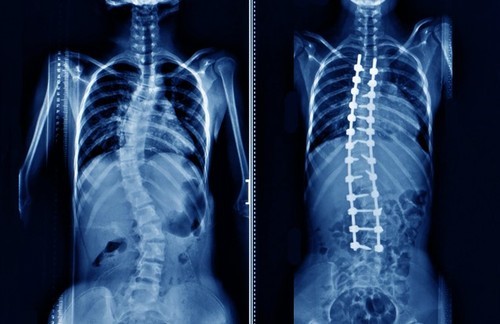
  • If you have a spinal deformity, such as scoliosis or kyphosis, that is causing pain, discomfort, or affecting your ability to function normally, consulting a spine surgeon is advisable.
  • They can assess the severity of the deformity and recommend appropriate surgical options, if necessary.

  • If you have tried non-surgical treatments for your spinal condition, such as physical therapy, medications, or injections, and have not experienced significant improvement, it may be time to consult a spine surgeon.
  • They can assess whether surgery is a viable option for better outcomes.

  • In cases of traumatic spine injuries resulting from accidents, falls, or sports-related incidents, consulting a spine surgeon is crucial.
  • They can evaluate the extent of the injury and determine the most appropriate surgical intervention, if needed, to stabilize the spine and promote recovery.

  • If you have degenerative spine conditions, such as degenerative disc disease, spinal stenosis, or osteoarthritis of the spine, that significantly affect your daily life.
  • Conservative treatments have been ineffective, it may be advisable to consult a spine surgeon for further evaluation and treatment options.

  • If you have been diagnosed with a spinal tumor or spinal infection, consultation with a spine surgeon is necessary.
  • They can assess the condition, provide a treatment plan, and collaborate with other specialists to address the underlying issue.
Benefits

Benefits of Spine Surgery Treatment

  • Spine surgery can provide significant pain relief for individuals experiencing chronic back or neck pain.
  • By addressing the underlying cause of the pain, such as a herniated disc or spinal instability, surgery aims to alleviate discomfort and improve daily functioning.

  • Spine surgery can restore mobility and flexibility by correcting spinal deformities and abnormalities.
  • By removing or repairing damaged spinal structures, surgery allows for better movement and range of motion.

  • Conditions like spinal stenosis or herniated discs can put pressure on the spinal nerves, causing pain, numbness, or weakness.
  • Spine surgery can relieve nerve compression by creating more space in the spinal canal or removing the source of compression, resulting in reduced symptoms and improved nerve function.

  • Chronic back or neck pain can significantly impact an individual’s quality of life, limiting their ability to perform daily activities and enjoy a fulfilling lifestyle.

  • Rapid advancements in medical technology have led to minimally invasive spine surgery techniques.
  • These procedures involve smaller incisions, reduced tissue damage, less postoperative pain, shorter hospital stays, and quicker recovery times compared to traditional open surgeries.

  • Spine surgery often involves a multidisciplinary team, including spine surgeons, neurologists, anesthesiologists, and physical therapists.
  • This collaborative approach ensures comprehensive care, accurate diagnosis, and optimal treatment outcomes.